Ask on a travel forum whether the JR Pass is worth it and you get both answers. A regular on japan-guide’s forum calls the national pass “almost universally reviled” for a conventional trip; others still plan long loops around it. Both are right, and one number decides which camp you are in: the total of your long JR rides inside one week.
JR Pass calculator
Enter how many times you will ride each long leg (one way counts as one). Adult fares, reserved seat on the fastest train, standard season.
- Tickets bought as you go
- ¥28,890 (≈ ₱11,540)
- Pass cost
- ¥50,000 (≈ ₱19,973)
Buy tickets as you go. They cost ¥21,110 (≈ ₱8,432) less than the pass.
Fares checked 29 November 2026 against JR Central, JR West and the official JAPAN RAIL PASS site. Busy-season reserved seats cost ¥200 to ¥400 (≈ ₱80–160) more per leg. Local trains, subways and private railways are not included.
Four common trips, priced
Official fares for a reserved seat on the fastest train, adult, standard season, against the 7-day pass bought online for ¥50,000 (≈ ₱19,973).
| Trip | Tickets | Cheaper |
|---|---|---|
| 1. Tokyo, Kyoto, Osaka | ¥28,890 (≈ ₱11,540) | Tickets, by ¥21,110 (≈ ₱8,432) |
| 2. Add Hiroshima | ¥45,430 (≈ ₱18,147) | Tickets, by ¥4,570 (≈ ₱1,825) |
| 3. Tokyo to Fukuoka, return | ¥61,480 (≈ ₱24,558) | Pass, by ¥11,480 (≈ ₱4,586) |
| 4. Osaka to Hiroshima, return | ¥21,900 (≈ ₱8,748) | Regional pass, ¥17,000 (≈ ₱6,791) |
Legs: 1. Tokyo → Kyoto, Shin-Osaka → Tokyo. 2. Tokyo → Shin-Osaka → Hiroshima → Tokyo. 3. Tokyo → Shin-Osaka → Hakata and back. 4. Shin-Osaka → Hiroshima and back. Sum of one-way Nozomi fares from JR Central and JR West, checked 29 November 2026; every fare is under 'Fares behind the numbers' below.
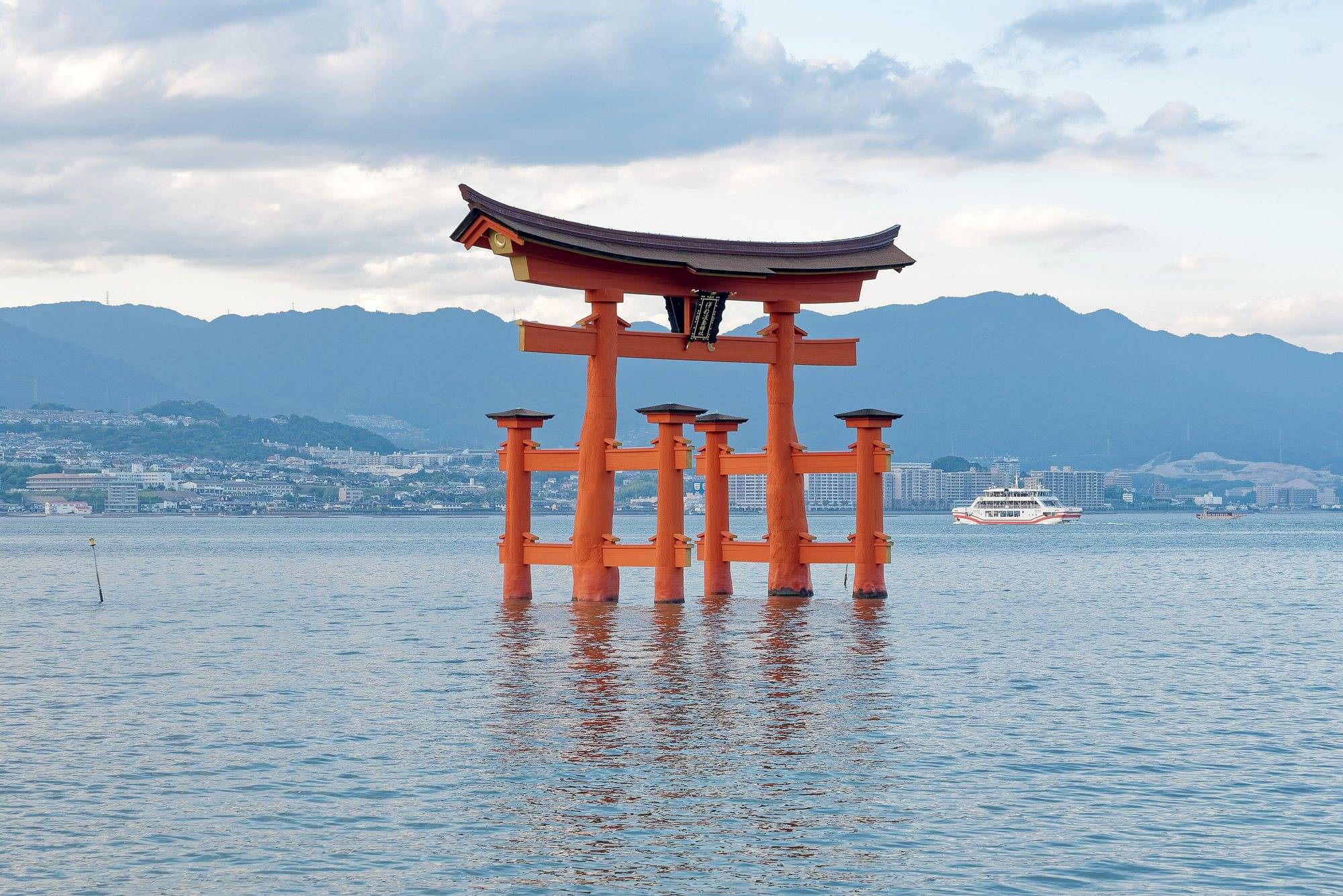
The Hiroshima loop is the one people get wrong. It looks like a lot of train, and it still comes in under the pass, unless you add a few more JR rides and accept Hikari trains instead of Nozomi.
The Nozomi catch
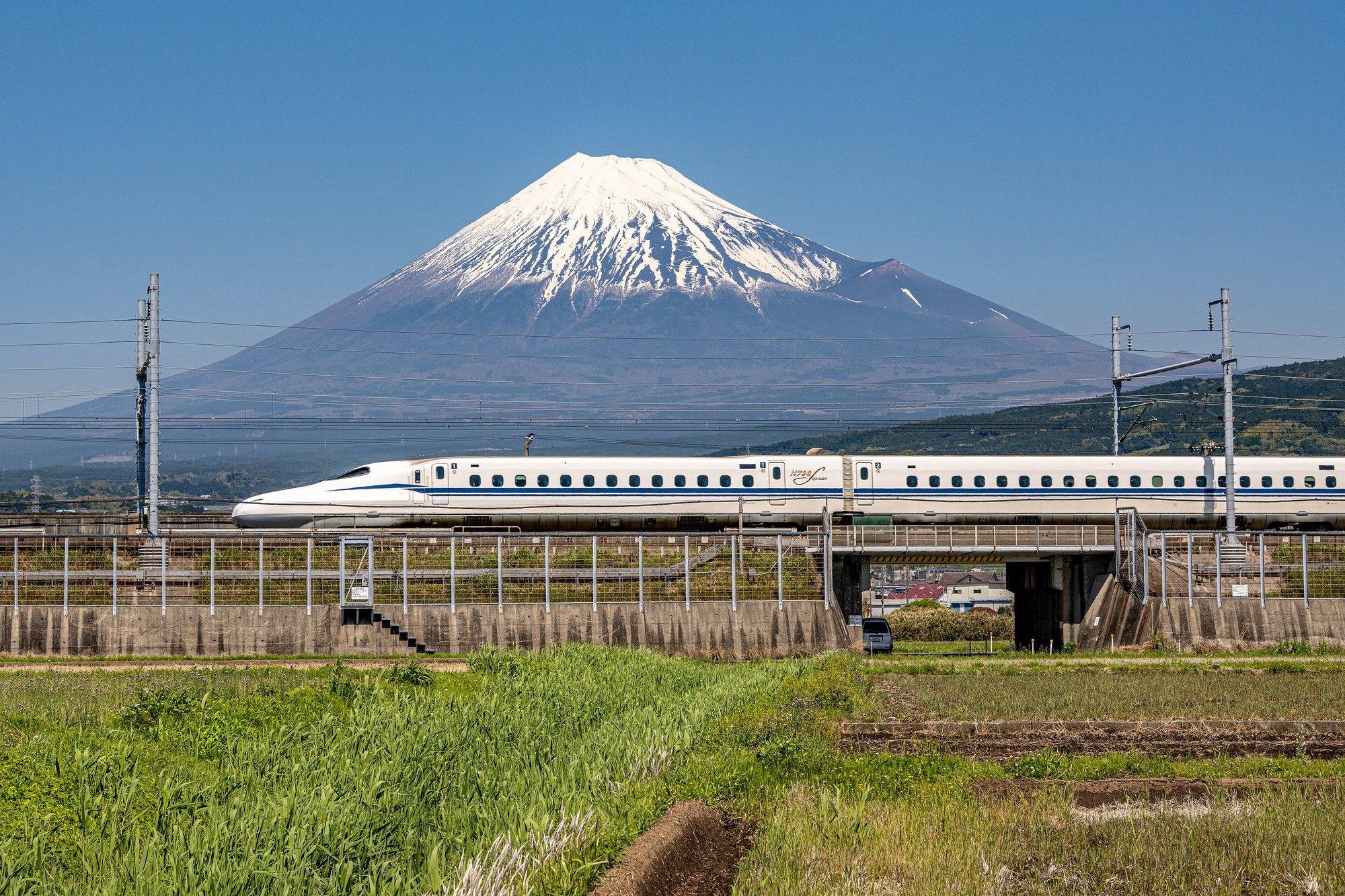
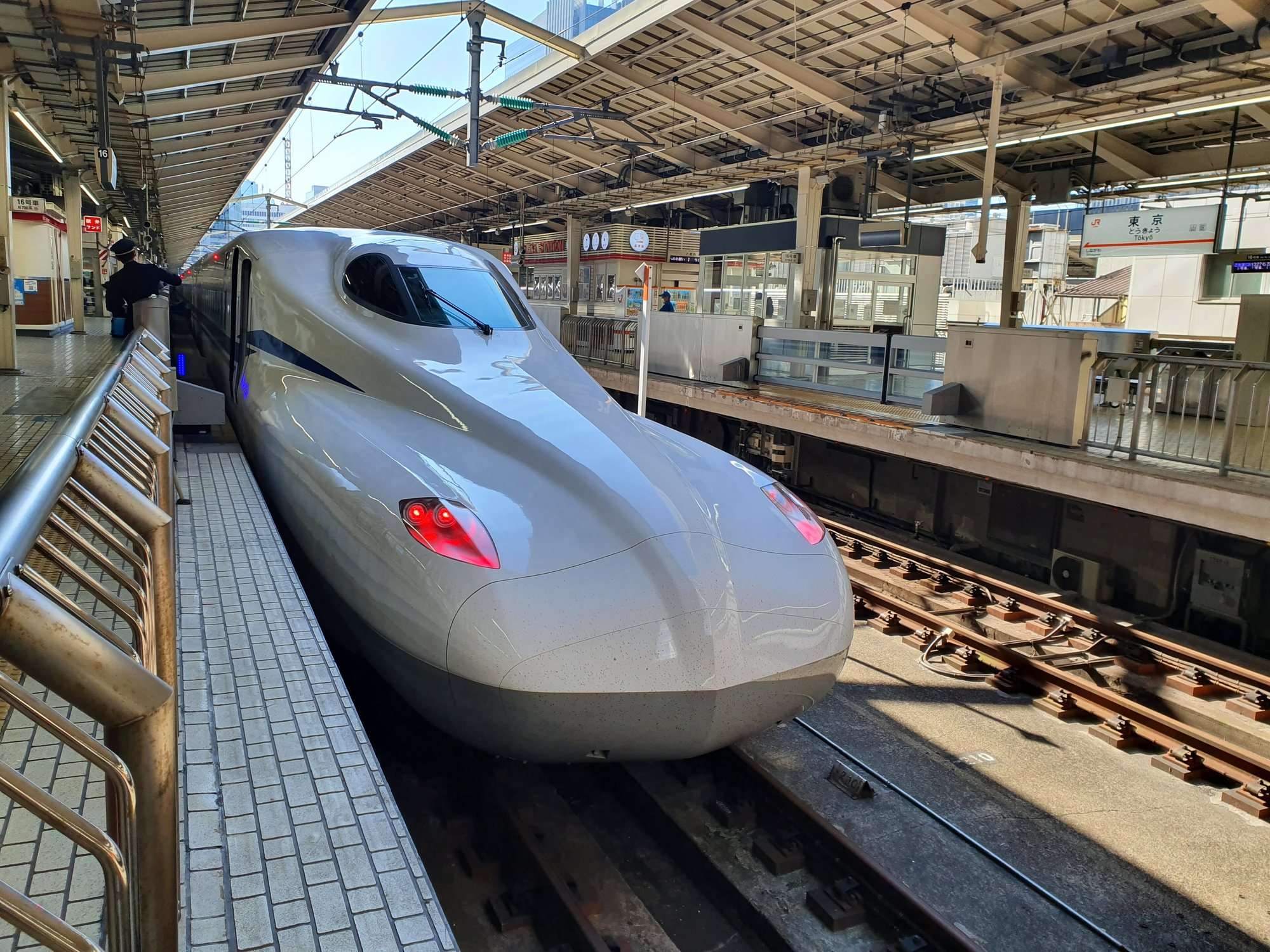
The pass does not cover Nozomi or Mizuho trains. With a pass you ride a Hikari (about 20 to 25 minutes slower between Tokyo and Kyoto, seat reservations free), or pay ¥4,960 (≈ ₱1,981) for a NOZOMI MIZUHO Ticket on each Tokyo–Kyoto ride. One FlyerTalk poster decided a saving of “a couple thousand yen” was not worth giving up the Nozomi.
If you buy one: five steps
- Buy online on the JAPAN RAIL PASS Reservation site, with each traveller’s name and passport number.
- Get the “Temporary Visitor” stamp at immigration. The automated gates do not stamp passports, so use a staffed booth or ask an officer. Without the stamp you cannot collect the pass.
- Collect the pass at a JR ticket office or a designated machine in the JR East or JR West area, with your passport and purchase number.
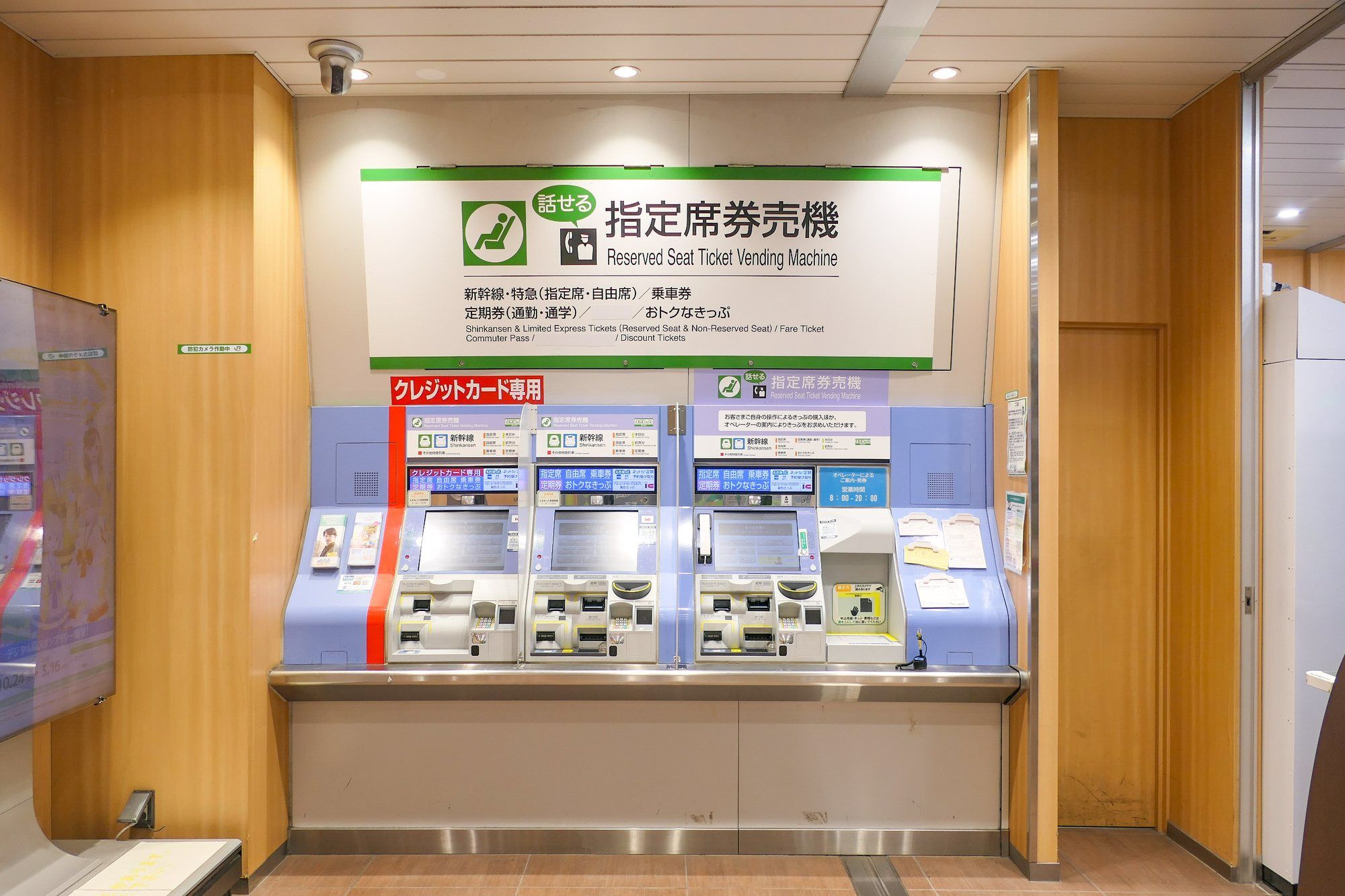
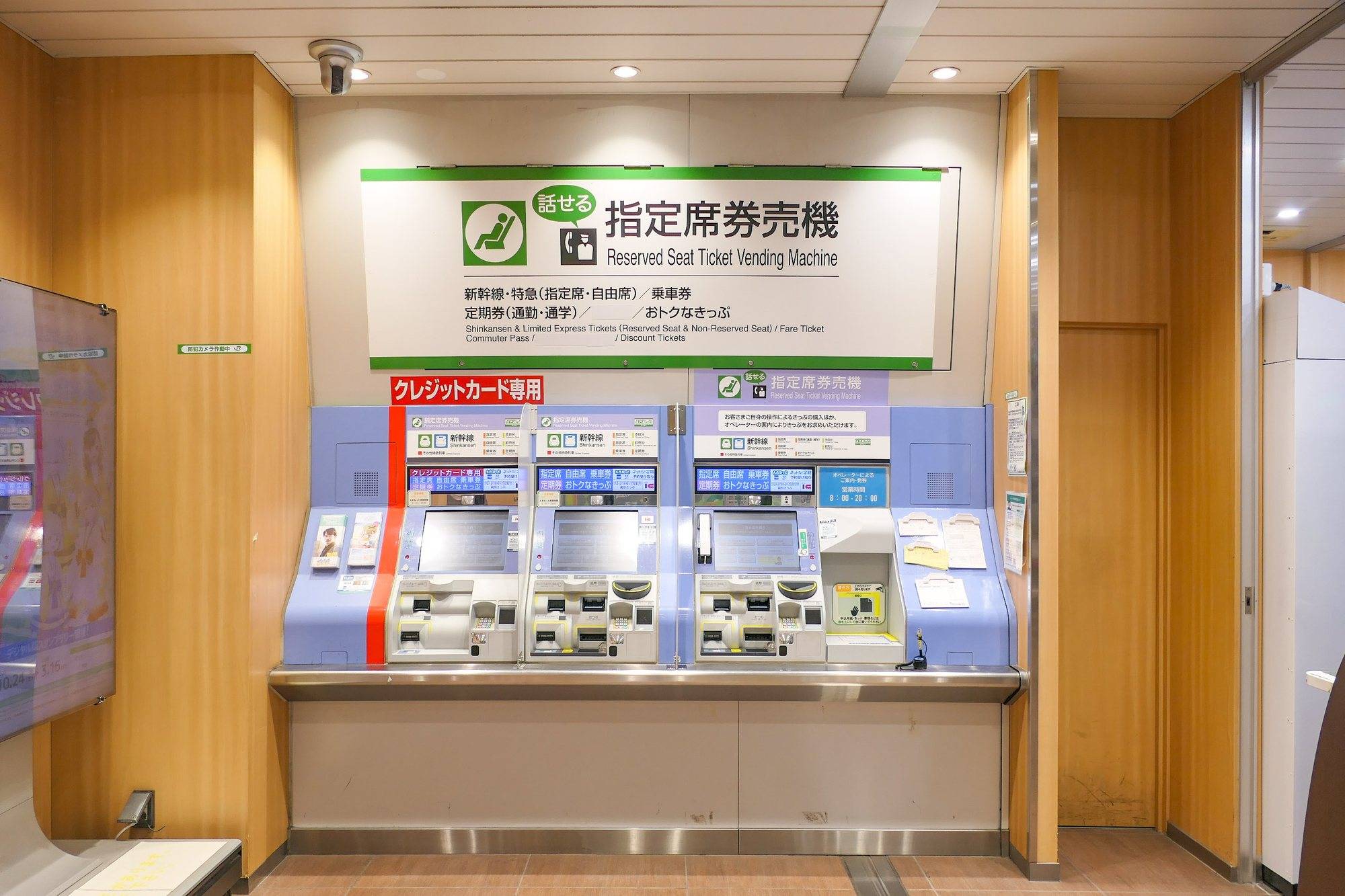
- Reserve seats for free at a reserved-seat machine: scan the QR code on the pass, enter your passport number, pick a train.
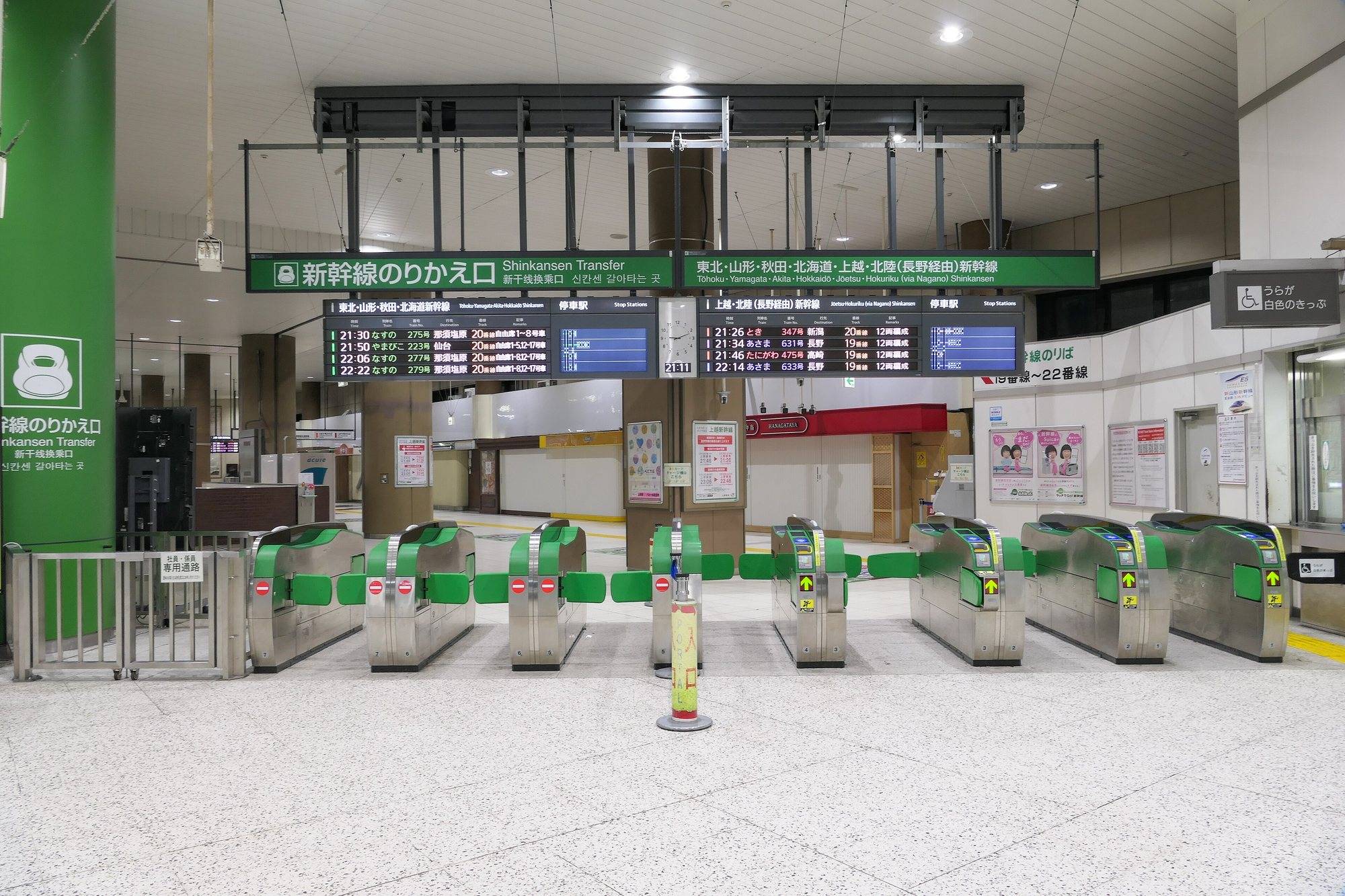
- Use a gate with a ticket slot. Gates marked for IC cards only will not take the pass. Take it back at the far end.
Your decision
- Under about ¥45,000 (≈ ₱17,975): buy tickets as you go and take the Nozomi whenever you like.
- Over about ¥55,000 (≈ ₱21,970): buy the pass online, get the stamp at immigration, collect it at a JR ticket office.
- In between: choose on flexibility. The pass lets you change trains freely; tickets let you ride the fastest train every time.
The details
All JR Pass prices
| Pass | Official site, online | Overseas agent |
|---|---|---|
| 7-day | ¥50,000 (≈ ₱19,973) | ¥53,000 (≈ ₱21,171) |
| 14-day | ¥80,000 (≈ ₱31,956) | ¥84,000 (≈ ₱33,554) |
| 21-day | ¥100,000 (≈ ₱39,945) | ¥105,000 (≈ ₱41,942) |
Green car: ¥70,000 (≈ ₱27,962), ¥110,000 (≈ ₱43,940), ¥140,000 (≈ ₱55,923) online. Children aged 6 to 11 pay about half. Source: japanrailpass.net, checked 29 November 2026.
The price rose from ¥29,650 (≈ ₱11,844) (agent) or ¥33,610 (≈ ₱13,426) (official site) to ¥50,000 (≈ ₱19,973) in October 2023, according to the JR Group. A 14-day pass only makes sense with long trips in both weeks.
Fares behind the numbers
| Section | Fare | NOZOMI MIZUHO Ticket |
|---|---|---|
| Tokyo – Nagoya | ¥11,300 (≈ ₱4,514) | ¥4,180 (≈ ₱1,670) |
| Tokyo – Kyoto | ¥14,170 (≈ ₱5,660) | ¥4,960 (≈ ₱1,981) |
| Tokyo – Shin-Osaka | ¥14,720 (≈ ₱5,880) | ¥4,960 (≈ ₱1,981) |
| Tokyo – Okayama | ¥17,770 (≈ ₱7,098) | ¥5,930 (≈ ₱2,369) |
| Tokyo – Hiroshima | ¥19,760 (≈ ₱7,893) | ¥6,500 (≈ ₱2,596) |
| Kyoto – Hiroshima | ¥11,940 (≈ ₱4,769) | ¥4,170 (≈ ₱1,666) |
| Shin-Osaka – Hiroshima | ¥10,950 (≈ ₱4,374) | ¥4,170 (≈ ₱1,666) |
| Shin-Osaka – Hakata | ¥16,020 (≈ ₱6,399) | ¥4,960 (≈ ₱1,981) |
JR Central and JR West fare release of 16 October 2026; Tokyo–Kyoto and Kyoto–Hiroshima from JR Central's route and fare search. Busy periods +¥200 (≈ ₱80), peak +¥400 (≈ ₱160), quiet periods −¥200 (≈ ₱80).
The NOZOMI MIZUHO Ticket (prices from the official all-sections list) is sold from one month before travel at ticket machines and offices. It cannot go through a gate on its own. On JR Central’s smartEX service, the Tokyo–Kyoto and Shin-Osaka–Tokyo Nozomi fares are ¥200 (≈ ₱80) lower; see booking Shinkansen tickets online.
What the pass does not cover
- Nozomi and Mizuho, unless you buy the extra ticket for each ride
- Subways and private railways: Tokyo Metro, Kintetsu to Nara, Odakyu to Hakone
- Express buses, and the private section of through trains such as the Fuji Excursion
- Gran Class and some special cars
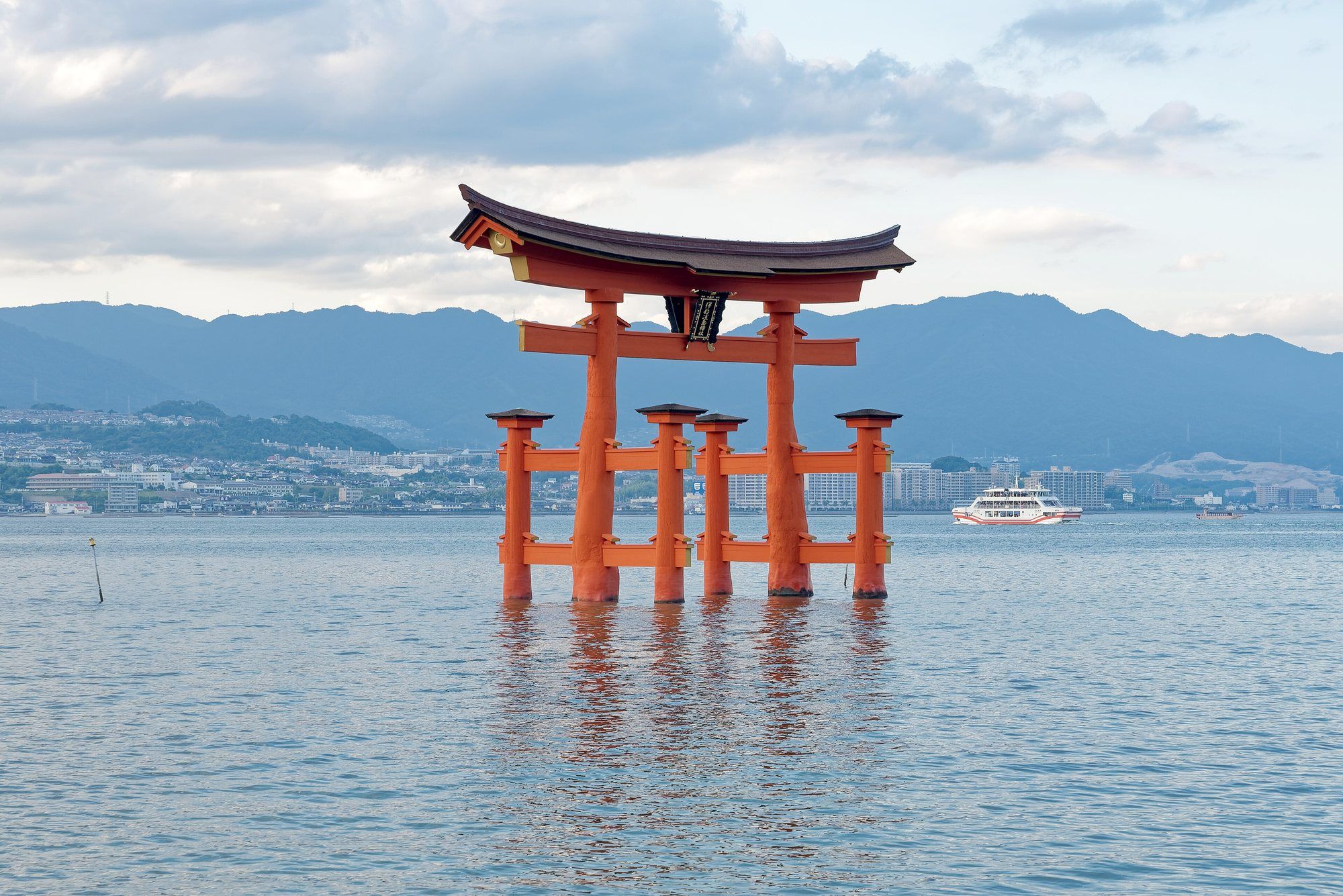
JR lines in cities (the Yamanote Line in Tokyo), the Tokyo Monorail and the JR ferry to Miyajima are covered.
Regional passes
| Pass | Length | Price |
|---|---|---|
| Kansai-Hiroshima Area Pass | 5 days | ¥17,000 (≈ ₱6,791) |
| JR EAST PASS | 5 days | ¥35,000 (≈ ₱13,981) |
| JR EAST PASS | 10 days | ¥50,000 (≈ ₱19,973) |
| Hokuriku Arch Pass | 7 days | ¥35,000 (≈ ₱13,981) |
Sources: JR East and JR West official pass pages.
If you fly into Osaka, the Kansai-Hiroshima Area Pass covers the Sanyo Shinkansen between Shin-Osaka and Hiroshima, local JR trains and the Miyajima ferry, and pays for itself with one Hiroshima round trip (¥21,900 (≈ ₱8,748)). None of these regional passes covers the Tokaido Shinkansen to Tokyo. More in our Hiroshima and Miyajima guide.
Busy weeks, queues and the July 2027 fee rise
In 29 December to 3 January, 1 to 6 May, 7 to 16 August and 18 to 23 September, the official site says a seat on a specific train is not guaranteed. Forum regulars note that more JR West trains now have no unreserved cars (japan-guide forum), and one poster waited 45 minutes at a staffed counter on a holiday weekend while machine queues took under two minutes.
From 1 July 2027 (by purchase date), Nozomi and Mizuho reserved fees rise: Tokyo to Shin-Osaka from ¥14,720 to ¥15,420 (≈ ₱5,880–6,160), Tokyo to Hiroshima from ¥19,760 to ¥20,620 (≈ ₱7,893–8,237). The pass price was not part of that announcement.
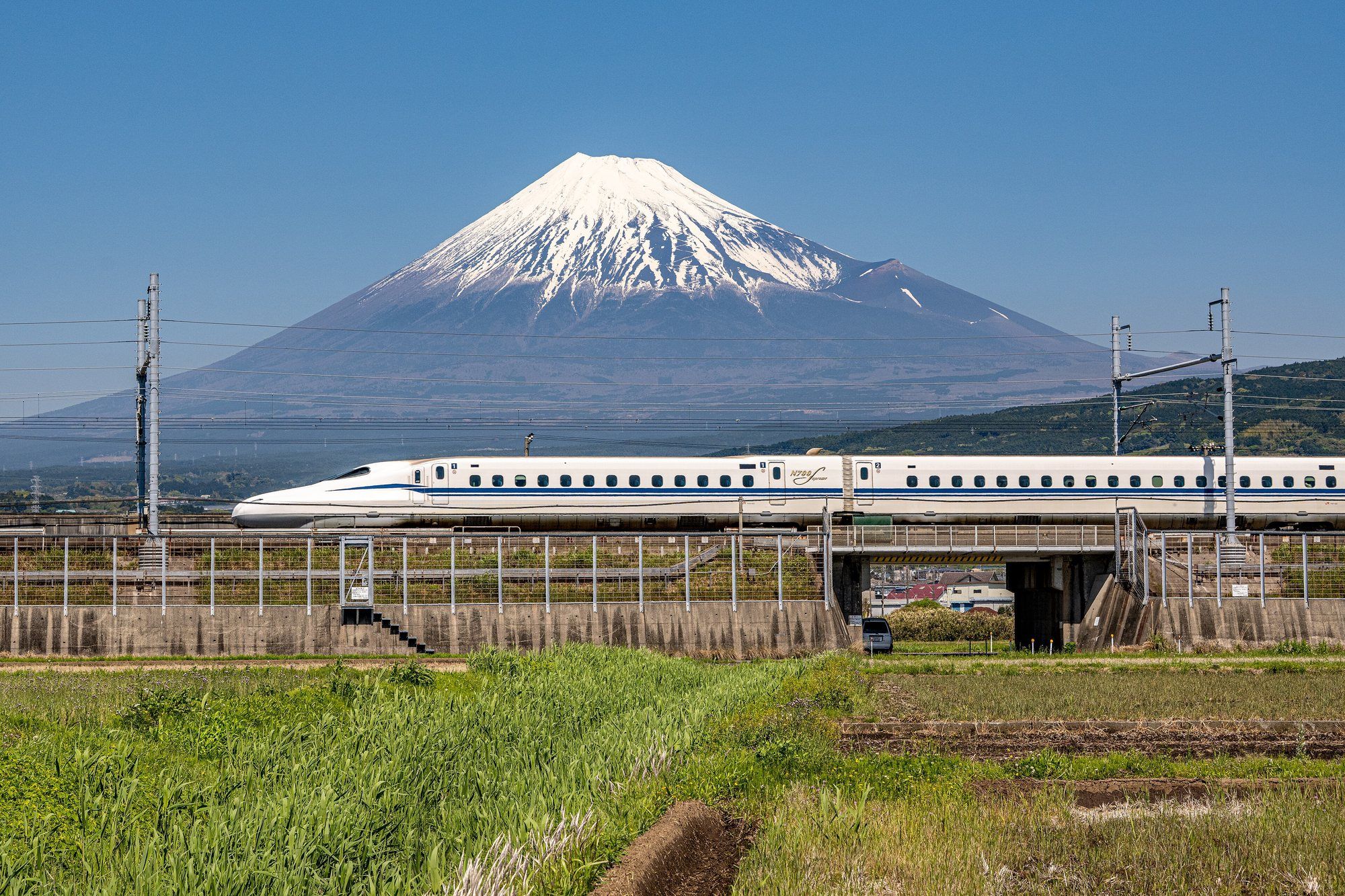
Heading west either way? Our Tokyo to Kyoto Shinkansen guide covers the Mt Fuji side of the train and the large-suitcase rule.
Questions
How much does the JR Pass cost in 2026?
On the official JAPAN RAIL PASS site, the standard (ordinary car) pass costs ¥50,000 (≈ ₱19,973) for 7 days, ¥80,000 (≈ ₱31,956) for 14 days and ¥100,000 (≈ ₱39,945) for 21 days for an adult. Bought as an exchange order from an overseas agent it costs ¥53,000 (≈ ₱21,171), ¥84,000 (≈ ₱33,554) and ¥105,000 (≈ ₱41,942). Children aged 6 to 11 pay about half.
Is the JR Pass worth it for Tokyo, Kyoto and Osaka?
Usually not. Tokyo to Kyoto and Shin-Osaka back to Tokyo by Nozomi costs ¥28,890 (≈ ₱11,540) at standard-season reserved fares, well under the ¥50,000 (≈ ₱19,973) price of a 7-day pass.
Does the JR Pass cover the Nozomi?
No. Pass holders can ride Hikari and Kodama trains at no extra cost, or buy a NOZOMI MIZUHO Ticket for each Nozomi ride. That ticket costs ¥4,960 (≈ ₱1,981) between Tokyo and Kyoto and ¥6,500 (≈ ₱2,596) between Tokyo and Hiroshima.
Can I use the JR Pass on the Tokyo subway?
No. The pass covers JR lines only. Tokyo Metro, Toei subway lines and private railways charge their normal fares. JR lines in Tokyo, such as the Yamanote Line, are covered.
Can I get a refund or change the dates of a JR Pass?
The dates of an issued pass cannot be changed. A refund is possible before the first day of use, for a handling fee of ¥560 (≈ ₱224) per pass. Once the period of use has started there is no refund, even if trains are disrupted.
What happens if I lose my JR Pass?
The official site says a lost or stolen pass cannot be reissued, so you would have to pay for tickets again.
Sources
- JAPAN RAIL PASS: Types and prices
- JAPAN RAIL PASS: Purchasing online (pickup and what to bring)
- JAPAN RAIL PASS: Conditions for use (refunds, loss, changes)
- JAPAN RAIL PASS: Using automatic ticket gates
- JAPAN RAIL PASS: Seat reservations
- JAPAN RAIL PASS: Use of NOZOMI/MIZUHO trains (special ticket prices)
- JAPAN RAIL PASS: NOZOMI MIZUHO Ticket prices for all sections (PDF)
- JAPAN RAIL PASS: Scope of validity
- JAPAN RAIL PASS: Eligibility for use
- JR Group: Japan Rail Pass price revision date and product changes, 26 July 2023 (PDF, Chinese edition)
- JR Central: Shinkansen timetable from 14 March 2026, westbound (PDF)
- JR Central: smartEX reserved-seat fares (PDF)
- JR Central / JR West: Nozomi and Mizuho reserved-seat fee revision, 16 October 2026 (PDF, Japanese)
- JR Central: Route and fare search (アクセス検索), Tokyo to Kyoto and Kyoto to Hiroshima, checked for 4 December 2026 (Japanese)
- JR Central: Seasonal reserved-seat limited express fees (Japanese)
- JR Central: Passenger tariff, Article 77 trunk-line fares (PDF, Japanese)
- JR East: JR EAST PASS
- JR East: Hokuriku Arch Pass
- JR West: Kansai-Hiroshima Area Pass